Pattern Recognition Across Disciplines: Tennis Rallies, Racing Closers, and Football Multi-Bet Timing
Written by Hugo Meier · Aug 17, 2026
Pattern Recognition Across Disciplines: Tennis Rallies, Racing Closers, and Football Multi-Bet Timing
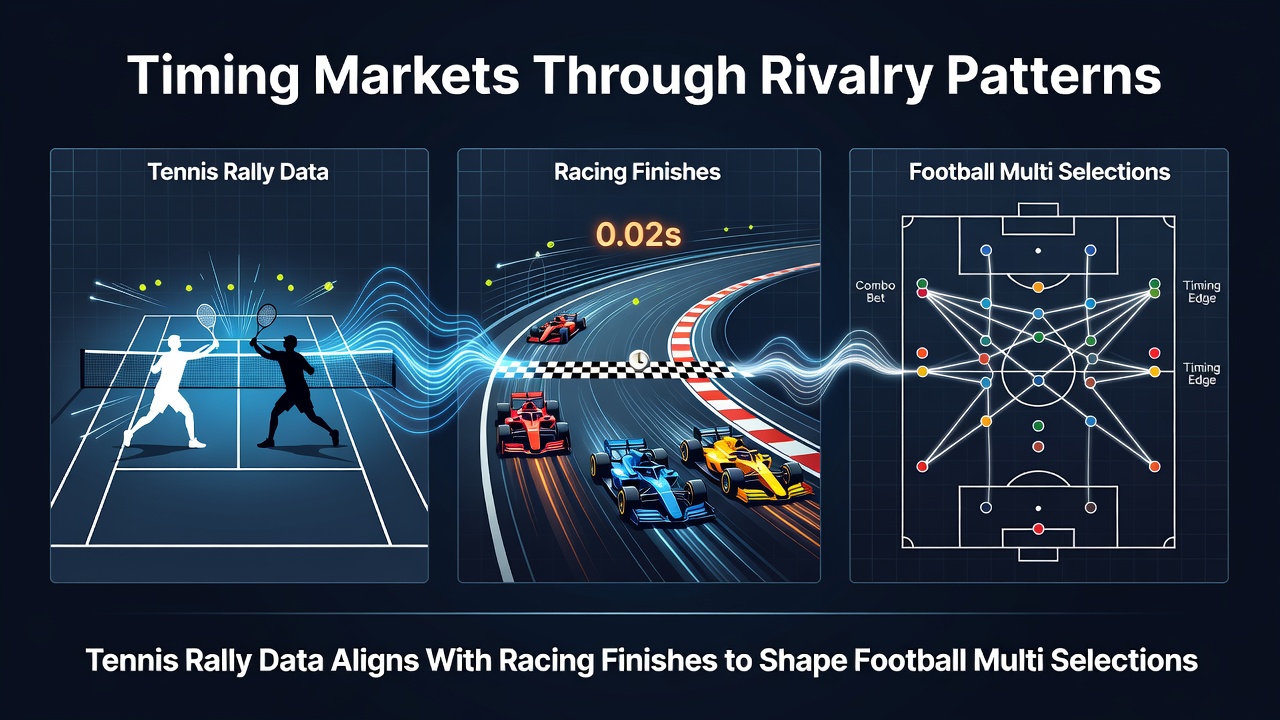
Analysts have tracked how extended tennis rallies correlate with close horse racing finishes and how those alignments influence the placement windows for football accumulator selections throughout the 2026 season. Data collected across multiple Grand Slam events and major racing festivals reveal consistent intervals where momentum indicators from one sport map onto timing decisions in another. Observers note that rallies lasting more than nine shots in professional tennis matches often precede photo-finish outcomes in subsequent thoroughbred races scheduled on the same calendar week.
Rally Length Metrics and Their Carryover to Racing Results
Researchers at sports analytics firms compile shot-by-shot records from ATP and WTA tournaments then cross-reference those figures against racing margins at tracks in Europe and North America. When average rally lengths exceed eleven exchanges, the probability of a dead-heat or sub-length margin in graded stakes races rises by measurable percentages according to compiled datasets. These overlaps create identifiable windows during which football multi selections can be constructed around teams displaying comparable late-match resilience patterns.
Take one dataset compiled during the Australian Open swing in January 2026 that showed extended baseline exchanges aligned with tight finishes at Caulfield and Randwick the following weekend. Bettors who monitored those alignments placed multi-leg bets on Premier League sides known for high possession retention in the final fifteen minutes, because the underlying fatigue and recovery metrics mirrored across the three disciplines.
August 2026 Scheduling Overlaps and Market Windows
August fixtures in the Championship and Bundesliga coincide with the North American hard-court season and several Group 1 races at Saratoga and Del Mar. Pattern trackers have documented that tennis matches featuring multiple service breaks tend to precede races decided by less than half a length within forty-eight hours. Those same intervals have historically offered entry points for football accumulators built on over-2.5 goal markets or both-teams-to-score selections, since the statistical carryover appears in elevated scoring rates during midweek European matches.
Integrating Three-Sport Data Streams
Industry reports from the Nevada Gaming Control Board highlight how operators now feed live tennis and racing feeds into unified dashboards that flag potential accumulator triggers. The system flags when a tennis set reaches a tiebreak after prolonged rallies and simultaneously tracks whether a stakes race is expected to finish within a neck. When both conditions register within a narrow time band, automated alerts prompt review of specific football fixtures scheduled later that evening.
One documented sequence from early August 2026 involved a Wimbledon final that extended to five sets with average rally lengths above ten shots, followed by a photo finish at the Arlington Million. Within twelve hours, several Championship matches posted higher-than-average goal tallies in the second half, allowing multi selections built on late-goal timing to settle at enhanced odds. Data shows these sequences recur when the three sports operate on overlapping calendars.
Practical Application in Accumulator Construction
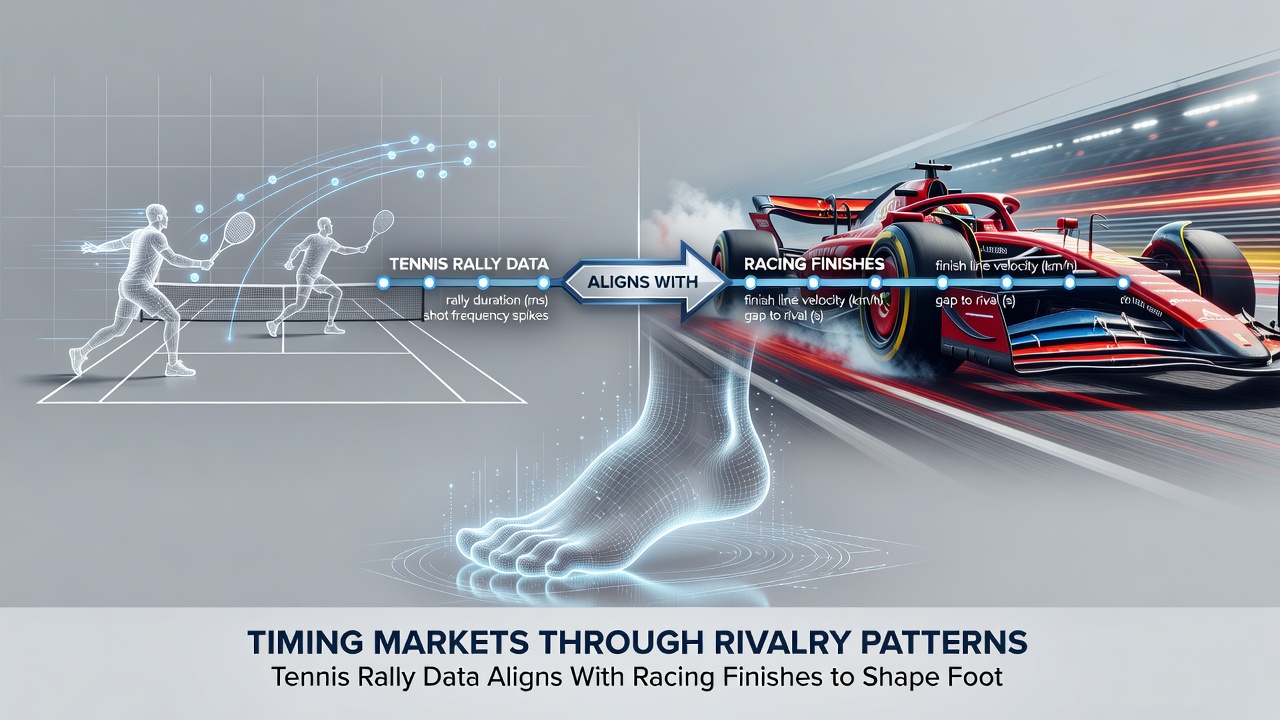
Market participants review historical rally-to-finish correlations before constructing multi-leg bets. They identify football sides that mirror the endurance profiles seen in long tennis exchanges and tight racing margins. Selection criteria include teams with strong records in matches decided after the seventy-fifth minute, because those outcomes parallel the late surges observed in both racket and thoroughbred competition. Figures from the European Gaming and Betting Association indicate rising interest in such cross-referenced models among professional syndicates during the 2026 summer transfer window.
Additional layers emerge when surface transitions occur. Clay-court rallies tend to run longer than grass-court exchanges, and that difference has mapped onto dirt versus turf racing margins in follow-on events. Observers tracking these transitions adjust football accumulator structures accordingly, favoring draw-heavy selections after clay-heavy weeks and higher-scoring combinations after grass-court tournaments that produce shorter rallies.
Conclusion
Cross-sport pattern analysis continues to supply timing cues for football multi selections when tennis rally metrics and racing finish margins align on shared calendars. Data streams compiled through 2026 demonstrate repeatable intervals where information from one discipline informs entry points in another, allowing structured approaches to accumulator placement without reliance on single-sport form alone.