Coordinating Performance Benchmarks Across Equine, Racket, and Collective Sports Sharpens Parlay Formations in Shifting Markets
Written by Drew Becker · Aug 24, 2026
Coordinating Performance Benchmarks Across Equine, Racket, and Collective Sports Sharpens Parlay Formations in Shifting Markets
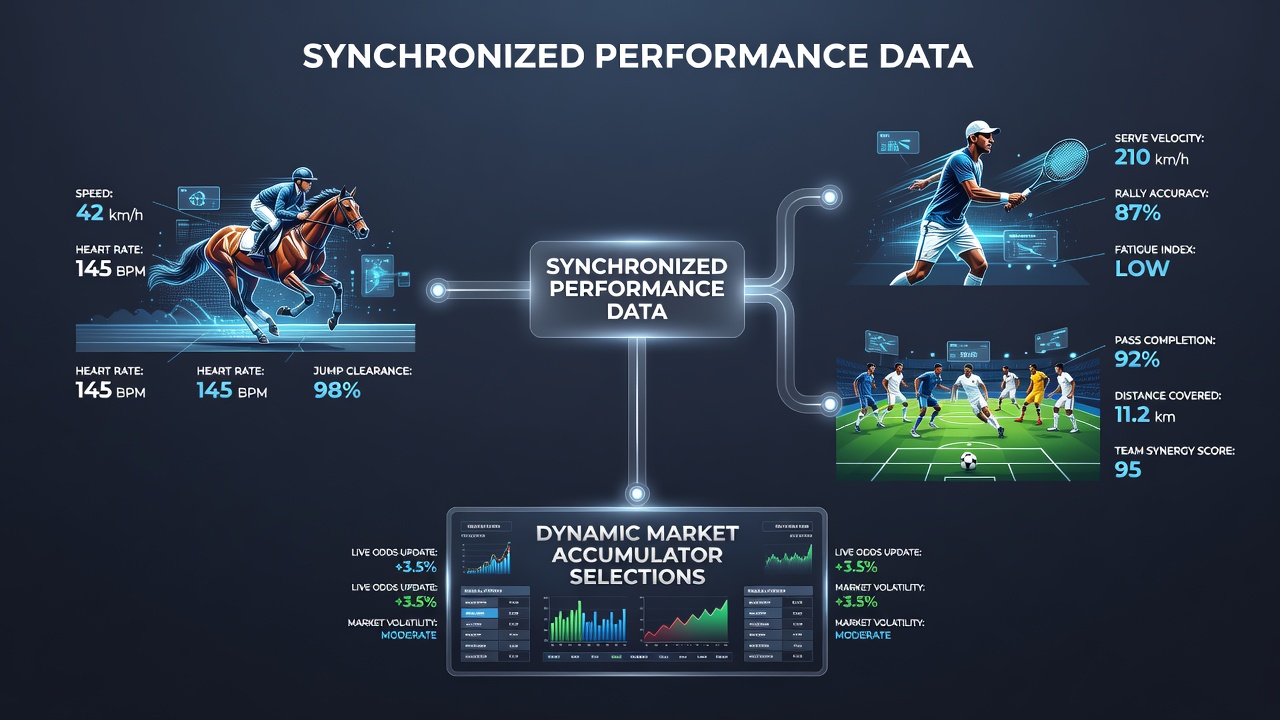
Analysts track how indicators such as stride efficiency in equestrian events, serve accuracy in racket sports, and possession retention in team games converge to shape accumulator selections, and this coordination becomes particularly relevant when markets adjust rapidly during live events in August 2026, with data from multiple competitions feeding into models that highlight potential combinations across disciplines.
Foundational Metrics in Each Category
Researchers compile stride length, recovery intervals, and obstacle clearance rates from equestrian competitions, while racket sport datasets emphasize first-serve percentages, rally endurance, and tie-break conversion rates, and team game statistics focus on pass completion, defensive transition speed, and goal conversion efficiency, so that when these elements synchronize, patterns emerge that support multi-leg selections in dynamic betting environments.
Studies from the Responsible Gambling Council indicate that cross-referencing these benchmarks allows observers to spot correlations that single-sport analysis often misses, yet the process requires consistent updates because conditions shift between venues and weather influences equine performance differently than court surfaces affect racket outcomes.
Integration Methods for Accumulator Construction
One approach involves weighting recent form from equestrian meets against momentum swings observed in racket matches, then layering team game defensive metrics to build accumulators that span morning horse racing through evening football fixtures, and this layering works because each sport supplies independent variables that together reduce variance in predicted outcomes when markets fluctuate after early results post.
Another method uses real-time feeds to adjust selections mid-card, so that a strong serve hold percentage in a tennis match can validate an equine favorite's recent gallop data before incorporating a soccer team's clean sheet probability, while August 2026 schedules place several overlapping fixtures that test such synchronization under compressed timelines.
Market Dynamics and Timing Considerations
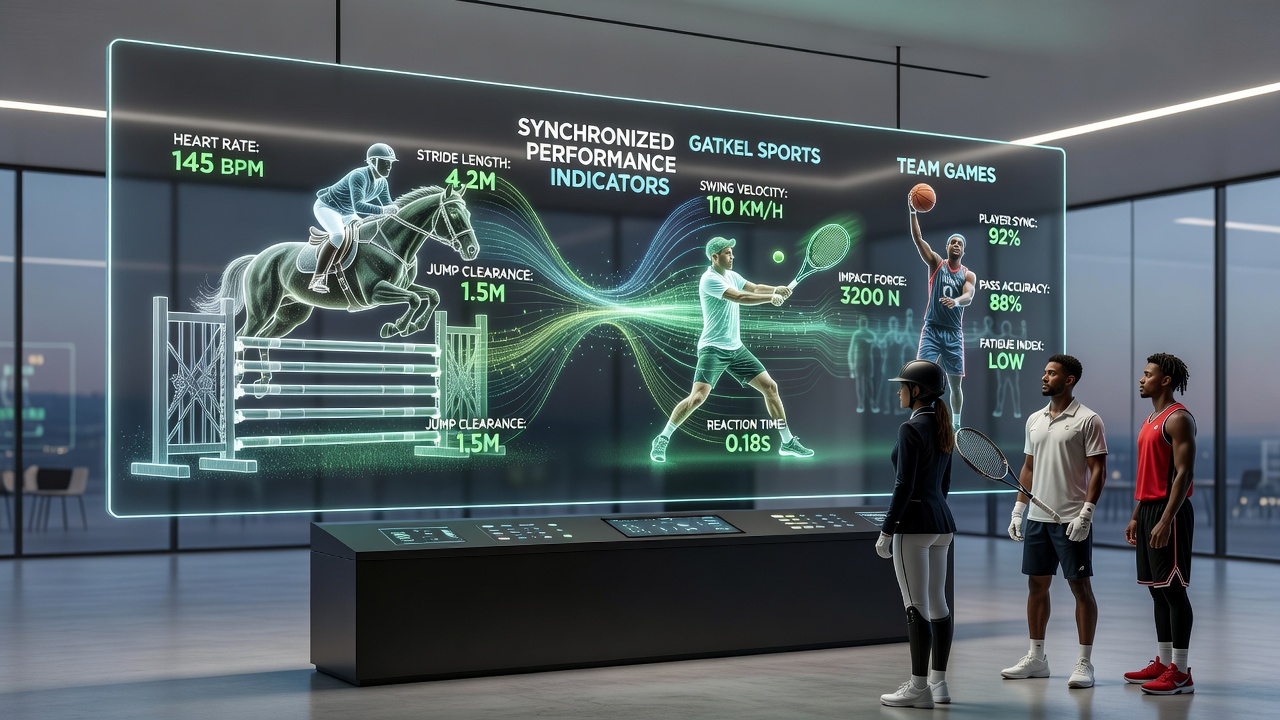
Dynamic markets respond quickly to in-play developments, which means synchronized indicators help identify value windows before odds stabilize, and data from university-led sports analytics programs in North America show that multi-sport models capture edges that isolated statistics overlook, particularly when early morning equine results set baselines for later racket and team game legs.
Those who monitor these alignments note that weather delays in one discipline can cascade into adjusted probabilities for others, so the accumulator builder who tracks cross-category momentum maintains flexibility, whereas rigid single-sport approaches lose ground once markets recalibrate after the first completed event.
Case Examples from Overlapping Schedules
Take a sequence where a horse clears jumps with improving sectional times, a tennis player maintains high first-serve points won across sets, and a football side records elevated successful presses, and observers record how these separate indicators combine into accumulator legs that align with shifting market lines during August 2026 fixture congestion periods.
Industry reports from the International Center for Gaming Studies document similar instances where performance synchronization preceded noticeable movements in accumulator pricing, confirming that the approach draws on verifiable patterns rather than isolated trends.
Conclusion
Coordinating athletic performance indicators across equestrian events, racket sports, and team games supplies a structured framework for accumulator selections that accounts for market volatility, and continued refinement of these models occurs as new datasets become available each season.