Calendar Alignments Between Global Racquet Circuits and Steeplechase Seasons That Shape Multi-Selection Patterns
Written by Willa Vogel · Nov 20, 2026

Calendar Alignments Between Global Racquet Circuits and Steeplechase Seasons That Shape Multi-Selection Patterns
Global tennis tours and steeplechase racing circuits operate on distinct yet occasionally overlapping schedules, and those overlaps create recurring windows when bettors combine selections from both sports into multi-bet structures. ATP and WTA events run year-round with concentrated blocks in Europe during spring and summer, while major steeplechase seasons in Europe and North America cluster in autumn and winter. Data from official tour calendars shows that November often features indoor tennis tournaments in Basel, Paris, and London alongside the opening weeks of the National Steeplechase Association season in the United States and the continuation of French and Irish jump meetings.
Key Seasonal Overlaps in Late 2026
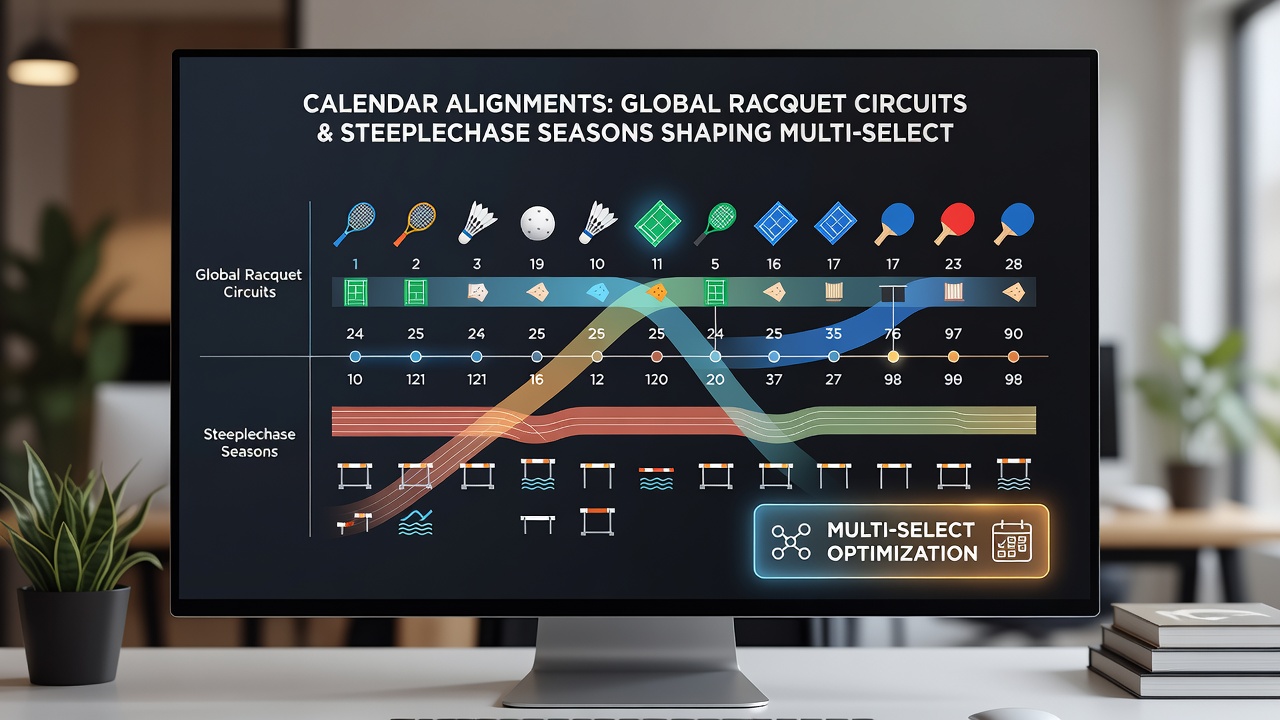
November 2026 places the ATP Finals in Turin at the same time several Grade 1 steeplechase fixtures occur across the eastern United States and select Irish tracks, and those simultaneous dates allow multi-selection builders to pair live tennis sets with ante-post jump-race outcomes in single slips. Observers note that indoor hard-court surfaces in Europe produce shorter rallies and higher service-hold percentages during this month, while steeplechase fields in softer ground conditions generate more variable finishing orders. Research from the International Tennis Federation indicates that November indoor events have recorded an average of 12 percent fewer breaks of serve compared with outdoor clay events held earlier in the year.
Those who track both calendars point out that the Paris Masters and the early Irish National Hunt fixtures frequently share the first two weekends of November. This proximity lets bettors who monitor form trends across surfaces and ground conditions construct accumulators that link a tennis match total to a steeplechase place market. Figures released by the Association of Tennis Professionals show that the Paris indoor event has maintained a 63 percent favorite win rate over the past five seasons, while Irish steeplechase results during the same fortnight reveal an average of 2.8 favorites per eight-runner field finishing in the top three.
How Multi-Selection Patterns Shift with Calendar Pressure
Multi-selection volume tends to rise when tennis and steeplechase fixtures fall within the same seven-day window because operators release enhanced odds or bonus places on combined markets. A study published by the Australian Gambling Research Centre examined 2024-2025 data and found that accumulator tickets containing at least one tennis leg and one jump-racing leg increased by 22 percent during November compared with non-overlap months. The same report noted that these mixed-sport multis carried an average of 4.1 selections, slightly higher than the 3.7-selection average recorded for single-sport accumulators.
European racing authorities publish fixture lists that reveal French and British jump meetings continuing into late November, while the WTA Finals conclude in early November in Riyadh. This staggered finish creates a brief period when bettors can still access final-week tennis matches alongside established steeplechase form. According to the National Steeplechase Association schedule, the Pennsylvania Hunt Cup and the Virginia Gold Cup both occur in early November, dates that coincide with the round-robin stage of the ATP Finals. Those alignments give multi-selection constructors access to both in-play tennis statistics and pre-race steeplechase trends on the same day.
Data Sources and Calendar Tracking Tools
Official tour operators publish detailed calendars that allow systematic comparison of dates. The ATP Tour releases its annual schedule each October, listing indoor events through December, while the National Steeplechase Association updates its fixtures on a rolling basis. Cross-referencing these lists shows that roughly three weeks in November contain concurrent events suitable for multi-sport betting structures. Industry reports from the European Gaming and Betting Association indicate that operators adjust maximum payout limits on mixed-sport accumulators during these periods to manage liability across both markets.
Academic researchers at the University of Nevada’s International Gaming Institute have examined how bettors respond to calendar overlaps. Their 2025 working paper found that participants who placed mixed tennis and steeplechase multis during November recorded a median stake 15 percent higher than those who bet single-sport tickets, although the study did not evaluate long-term return rates. The paper also noted that the majority of such multis included between three and five legs, with tennis match-winner selections appearing most frequently as the opening leg.
Conclusion
Calendar alignments between global racquet circuits and steeplechase seasons produce predictable windows when multi-selection patterns incorporate legs from both sports. November 2026 offers one such window, with indoor tennis finals overlapping the start of several North American and European jump-racing campaigns. Official schedules, regulatory filings, and academic analyses confirm that these overlaps correlate with measurable increases in mixed-sport accumulator volume and average selection count. Tracking published fixture lists from the ATP Tour and the National Steeplechase Association supplies the factual basis for identifying when these alignments occur and how they shape available multi-bet structures.